Painting a Block Wall in Riverside Heat
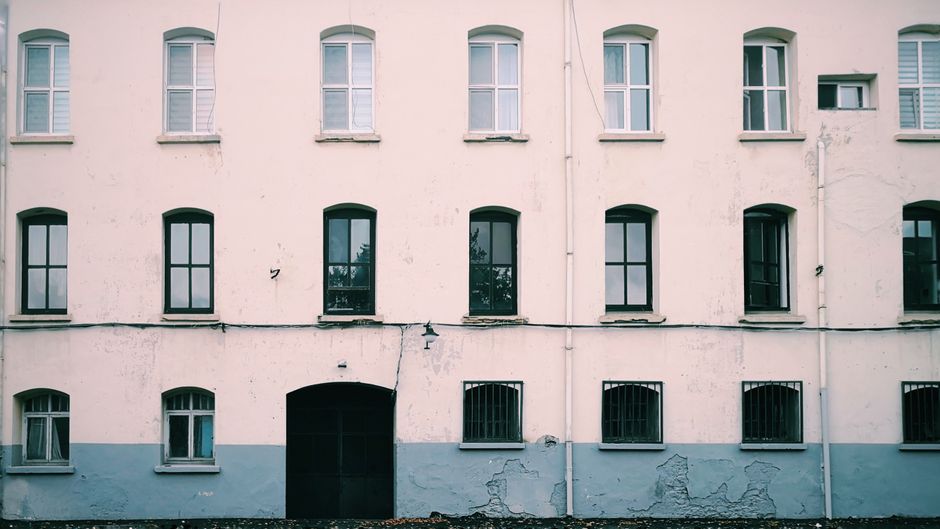
A thumbnail dragged across a block wall that leaves a pale dust line means the old coat has chalked and the face is shedding. The notes at painting riverside ca curiously veg radio begin with that test, because paint work on a backyard wall in Riverside, CA fails at the surface long before it fails anywhere else. Block is porous, the cells behind the face hold moisture, and afternoon sun on a west facing wall drives it back out through the film.
Washing and patching first
A pressure washer takes off chalk, dirt and loose paint, and the wall then needs a full day to dry, sometimes less in July. Cracked mortar joints get patching compound pushed in with a margin trowel. Holes near the base get a cement based patch rather than spackle, which crumbles when the soil side stays damp. Sanding the patch flush matters, since a raised edge catches the low light at sunset and shows through any topcoat.
Sealer first, color second

Bare or freshly patched block soaks up primer like a sponge. A masonry sealer or block filler goes on first so the face stops pulling the liquid out of the finish coat. Without it the coverage of the first coat looks fine for an hour and then flashes dull in patches. A thick nap roller, three quarter inch or longer, pushes sealer into the pits, and a brush back-rolls the same area while it is still wet.
Why a west wall cooks the coat
A wall facing the late sun can run far hotter than a latex label allows. Rolled in the afternoon, acrylic skins over before it levels, and the roller marks stay. The east and north faces get the afternoon hours, and the west face waits for the first hours after sunrise. Evening wind off the Santa Ana River bottomlands carries fine dust that lands in wet paint, another reason to finish early.
Coats and sheen
Two coats of acrylic masonry paint is the usual build, and mil thickness on a rough face runs higher than on smooth drywall because the surface area is larger. A flat or low sheen finish hides the unevenness of block and mortar joints. Satin and semi gloss show every pit, which suits a cap course but not a whole run. Cut in the cap and the corners with a brush before the roller works the field.
Salts and caps
White crystals pushing through the film are efflorescence, and painting over them only buries a moving problem. A stiff brush and a mild acid wash take the salts off, and the wall dries again before sealer goes on. Level caps collect standing water after a rare storm, so a bead of caulk at the cap joint keeps water from getting behind the face.