Painting in Riverside, CA
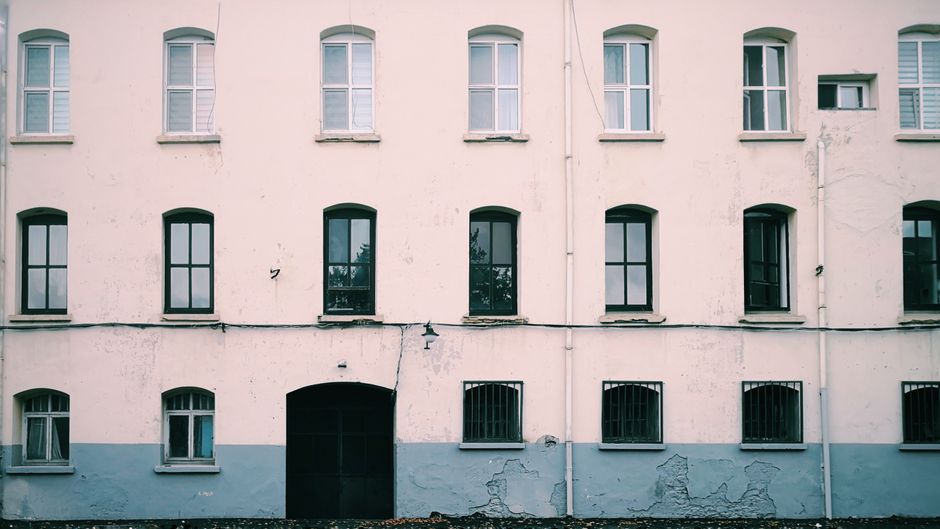
Notes on painting in Riverside, CA, covering block walls, fence stain, iron railings, garage doors and patio covers, and how strong sun and dry heat wear each coating.
What We Cover
- Coating Pool Area Surfaces Near the Santa Ana River Pool decks, gates and walls near water see chemicals, splash and heat, and each surface needs a different approach.
- Painting a Block Wall in Riverside Heat How a block wall is cleaned, patched, sealed and coated in Riverside, and why dry heat changes the timing.
- Painting a Patio Cover or Pergola in Riverside Patio cover beams and pergola rafters face sun from above, which breaks paint down faster than walls.
- Repainting a Garage Door Without Warping It Steel, wood and composite garage doors take paint differently when the driveway side bakes all afternoon.
- Rust Primer on Wrought Iron Railings How wrought iron railings and gates are scraped, treated with rust primer and recoated in a dry climate.
- Staining a Wood Fence in the Inland Empire Sun What fence stain does on a Riverside fence under summer sun, and how to time cleaning and application.
Painting in Riverside, CA
Painting in Riverside, CA is a job of dry heat, bright sun and old stucco, and the crew's day is shaped by all three. Houses near the Mission Inn and the older streets around Fairmount Park carry decades of layered paint, while newer tracts climbing toward the Box Springs Mountains have builder grade coatings that chalk by their fifth summer. Each needs a different start.
The rest of the property
Walls and trim get the attention, yet block walls, fences, iron railings, garage doors, patio covers and pool surfaces take the hardest sun and fail first. A fence stain that fades in two seasons, a rust primer skipped on a gate, or a garage door in a dark color that bows its panels are the repairs a crew sees most often across Riverside County.
How heat sets the schedule
Surface temperature, not air temperature, decides when a coat goes on. A west wall in July can be too hot to roll by ten in the morning, so the crew follows the shade around the house, working the east face late and the west face at dawn. Dust off the dry ground near the Santa Ana River and the slopes of Mount Rubidoux lands in wet paint, which is one more reason to finish early.
Prep before color
Washing, scraping, patching, sanding and priming take longer than the color coats and decide how long the job lasts. Block wants a sealer, bare steel wants rust primer, and weathered wood wants a dry board before stain. Rushing any of those steps shows within a year, and that holds on a campus building near the University of California Riverside as much as on a house.
Guides
The pages here cover block wall repaint, fence stain, iron railing primer, garage door paint, patio cover and pergola coatings, and pool area surfaces. The articles go further into how sun and dry heat break each surface down.
Latest Guides
How Santa Ana Winds and Dust Affect Wet Paint in Riverside
2026-10-06
Dust, wind and wet paint make a bad combination, and Riverside gets all three each fall. When the Santa Ana winds blow, they bring hot, dry air off the desert side of the mountains, and a coating job caught in that air behaves differently from the same job on a calm day. Knowing what the wind does to paint explains a lot of failures that look like bad product or bad workmanship but are really bad timing.
What are the Santa Ana winds, and why do they matter for painting?
Santa Ana winds are dry, warm offshore winds that move through Southern California, usually from autumn into winter. They funnel through passes and canyons, and the Inland Empire sits directly in their path. The air they carry is very low in moisture, often hot for the season, and loaded with dust and bits of dry vegetation.
For a painter, the problem is that coatings need time to level and cure. Water based paint dries by losing water, and solvent based paint dries by losing solvent. Wind and dry air speed both processes far beyond what the label expects. The surface skins before the film beneath it has flowed together, and the result is lap marks, brush drag, and a finish that looks rough up close.
How does wind change the way wet paint dries?
A wet coat has a short window in which the edges blend into each other. A roller pass overlaps the one before it, and if that earlier pass has already started to set, the overlap shows as a darker or glossier band. In calm, mild air the window is long enough for a crew to roll a full wall. In hot wind it can shrink to a minute or two.
Wind also pulls water out of the top of the film faster than it leaves the bottom. The skin forms first and traps the rest, which can lead to blisters later when trapped moisture tries to escape. On porous surfaces like block and stucco, dry air pulls paint into the surface before it can form a film, so the coverage looks thin and patchy even with a full coat applied.
What does dust do to a fresh coat?
Dust is the part people notice most. A wet surface is sticky, and anything airborne that touches it stays. Fine silt from the dry bed of the Santa Ana River, grit lifted off bare slopes near the Box Springs Mountains, and dried leaves all end up embedded in the finish.
A sprayer makes it worse in a different way. Wind carries atomized paint far from the target, so the mist settles on cars, windows, and neighboring walls. Even a gentle breeze changes the pattern of an airless sprayer, and a steady wind makes a clean edge nearly impossible. Crews that spray in the Inland Empire watch flags and tree tops as closely as they watch the nozzle.
Can a surface be prepared during a windy spell?
Prep is more forgiving than painting, but it still has limits. Washing a wall in a hot wind dries it fast, which helps, but dust lands right back on a clean surface within hours. Sanding creates its own cloud, and wind sends it into the neighbor's yard. Patching compound and caulk skin over too quickly and crack when they cure under a hot gust.
A sensible approach is to do wet and dusty prep on calm mornings and leave the final wipe down to the hour just before painting. A tack cloth or a damp rag across a window frame or railing removes the film of dust that settled overnight. Skipping that step is how a smooth surface ends up with a gritty finish.
Which products handle windy conditions better?
No product is wind proof, yet some are more forgiving. Paints formulated with longer open time give a crew more room before the edge sets. Slower drying additives, used within the maker's limits, stretch that window further. On metal, an oil based enamel flows out better in dry air than a fast acrylic does, and it brushes with fewer marks.
Thin coats are another tool. Two thin coats dry more evenly than one heavy coat, which can skin and sag at the same time. The second coat then hides small flaws in the first. Using a roller cover with the right nap for the surface also helps, since a heavy nap holds more paint and keeps it wet longer.
Is there a better time of day or year to paint?
The calm hours around dawn are usually the best. Winds often rise through the day and peak in the afternoon, and the surface warms as well. Painting in the early morning means a cool substrate, slower drying, and less dust in the air. Finishing in late afternoon shade can work if the wind has dropped, but evening dew or a sudden gust can undo it.
Across the year, the Santa Ana season overlaps with some of the best weather for exterior work in Riverside County, which is why scheduling matters. Mild days with moderate wind are ideal. A hot, gusty forecast is a reason to move the job, not push through it. A weather check the evening before and again at sunrise is part of the work.
What should be covered or protected before windy work starts?
Masking has to be tighter when the air is moving. Plastic sheeting flaps and tears, so crews use heavier film and tape it on every edge. Cars get moved, pool covers go on, and planters and patio furniture are covered or relocated. Sprinkler heads near a wall are capped or turned off, since overspray mixed with dust makes mud on a fresh surface.
Open windows and garage doors let dust into the house, and fresh paint on a frame can pick up fibers from a curtain. Closing everything and covering interior thresholds avoids the cleanup. Near the Mission Inn and older neighborhoods with mature landscaping, falling leaves and blossoms add another source of debris to watch.
How are repairs made after a gust ruins a coat?
A coat that has taken dust, lap marks or sprayed overspray can usually be saved. Once it has cured, the surface is sanded lightly with a fine grit until the debris and ridges are gone. A damp cloth removes the sanding dust, and a fresh coat goes over the area, ideally in calmer weather. Spot repair of only the damaged section shows as a patch, so the repair usually runs from corner to corner or from one natural break to the next.
When overspray lands on glass or a car, the cleanup is a different job. Fresh latex wipes off with water, but dried paint needs a solvent or a razor scraper on glass. Fast action while the mist is still wet makes the difference, which is one more reason crews keep rags and water on hand during every exterior job.
Questions homeowners ask about paint and wind
Is it safe to paint if the wind is only light? A light, steady breeze is manageable with a brush or roller and a slower paint. Spraying is the problem, since even a light wind moves the mist. If leaves are moving on the tree tops, the spray should wait.
How long does a coat need to stay undisturbed? Touch dry comes first, and a full cure takes much longer. In dry heat, the surface dries quickly, but the film beneath may stay soft for days. Dust that lands after touch dry usually does not bond, and wiping it off after a day or two is gentler than during the first hours.
Do windy days damage a coat that already cured? Wind itself does not hurt a cured film, but blown grit acts like fine sandpaper on a surface that is already chalky. Fences, stucco, and block walls that face the open wind show that wear first.
Can wind cause paint to peel later? It can, indirectly. A coat that skinned over too fast may trap moisture and blister later, and a coat applied over a dusty surface never bonds fully. Both failures appear weeks or months after the work.
What is the short version?
Hot, dry wind shortens the working time of paint and fills the air with dust, so the schedule has to follow the weather, not the calendar. Calm mornings, tight masking and thin coats solve most of what the wind causes.
Reading Sun Damage on Riverside Exterior Surfaces
2026-10-06
Paint tells the story of a property's sun exposure better than any thermometer. On a Riverside, CA lot, the same color applied the same week can look fresh on the shaded side of a block wall and chalky on the other, and the pattern of damage points straight at the cause. Reading that pattern before picking up a brush keeps a repaint from repeating the failure.
What does sun damage actually look like on a painted surface?
Ultraviolet light breaks down the binder in a coating, the resin that holds pigment together and sticks it to the surface. The first sign is chalking: rub a dark cloth across the paint and it comes away with a pale powder. Next comes fading, as pigment loosens and washes out with the first heavy rain or a sprinkler's overspray. Then the film cracks into tiny hairlines, curls at the edges, and lifts in flakes.
Heat adds its own damage. A surface that swells during a hot afternoon and shrinks overnight pulls on the coating thousands of times a season. A thin, stiff film cannot stretch that far, so it splits along the grain of wood, over mortar joints in block, and at the seams of a metal door. Dry air in the Inland Empire speeds the whole cycle, since there is little moisture to slow the baking.
Which surfaces on a Riverside property fail first?
The table below sorts common outdoor surfaces by the symptom that shows first, the usual cause, and the repair that matches it. Horizontal and west facing surfaces sit near the top of the list because they receive the longest hours of direct light.
Surface First symptom Usual cause Repair that fits Block wall, west face Chalk and dull patches Porous face, hot afternoon sun Wash, masonry sealer, two coats of acrylic Wood fence, south face Gray, furry boards Ultraviolet breakdown of the wood surface Clean, dry fully, penetrating stain Wrought iron railing Orange bloom at the base Moisture trapped at joints Wire brush, rust primer, enamel Garage door, driveway side Peeling at the bottom edge Heat cycling, water at the seam Scuff sand, bonding primer, light color Patio cover rafters Checks along the top face Overhead sun and end grain absorption Scrape, fill, primer, brush the end grain Pool gate and fence Blisters and pinholes Chlorine mist and hot metal Strip to sound metal, primer, enamel None of these failures is random. Each follows exposure, so the map of damage on a house is a map of where the sun lands.
Why does the west side of a house age faster?
In summer, the sun spends its hottest hours on the west side of a building. Surfaces there have already warmed through the morning before the afternoon load arrives, and they stay hot well into the evening. A west facing stucco wall in Riverside can radiate heat after sunset, which keeps expansion and contraction going longer than on any other face.
The south side comes next, with the highest sun angle and the most hours of light across the year, including winter. The north side often looks nearly new by comparison, and east walls tend to take only the gentler morning light. The side with the dullest paint is the one whose repair needs the most prep.
How do horizontal surfaces change the picture?
A wall presents a slanted face to the sun for part of the day. A pergola rafter, a fence cap, a block wall top, a railing cap, and a garage door's top edge all face the sky directly. They get the most light, hold rainwater and sprinkler water the longest, and collect dust that wicks moisture into the film.
That is why a patio cover can look rough while the house wall beside it looks acceptable. It is also why caps and tops get an extra coat or a different product when a crew plans the job. The surfaces that take the beating are not the ones people look at most, since the damage sits above eye level.
What do colors and sheens do under heavy sun?
Dark colors soak up more heat and fade faster than light ones, since the pigments that make them dark also break down under ultraviolet light. Reds and deep blues are the usual early fade. A light or mid tone stays cooler to the touch, keeps the substrate from swelling as hard, and hides chalk better when it does appear.
Sheen has its own effect. Flat paint hides surface flaws and weathers into chalk sooner. Satin and eggshell hold up well and wipe clean of dust. Semi gloss and gloss resist water best but also show every flaw underneath, which makes them good for iron and trim and poor for rough block.
Can a homeowner check coating health without tools?
Several simple tests work in a driveway or backyard. A dark cloth rubbed across the wall shows chalk. A thumbnail run along a crack tells whether the film is brittle or still flexible. A drop of water on a wood fence shows whether the stain still repels water: it beads if the finish is working and soaks in if it is spent. A scratch with a key on a metal rail shows whether paint is bonded or sitting loose over rust.
Tape works too. Press a strip of painter's tape onto a questionable area, rub it down, and pull it off in one motion. Paint that comes away with the tape was never well bonded, and no topcoat will hold on it. That result changes the job from a repaint to a strip and prime.
What happens in the weeks after a heat wave?
Late summer heat waves in Riverside County often reveal damage that was building quietly. Films that survived a mild year give out after a string of hot days, and cracks widen. Rust blooms appear on iron that looked fine in spring, and fence boards split along the grain.
That timing is useful. Cracks seen after a heat wave are the cracks that matter, and a walk around the property in September gives an honest list. Work that follows in the cooler months runs under better conditions, since both the substrate and the paint behave more predictably when surfaces are not baking.
Does the neighborhood change what the sun does?
Sun is the same across the city, but the setting changes how it behaves. Older homes near the Mission Inn and the streets around Fairmount Park often have mature trees that shade one or two faces, so paint wears unevenly and each side needs its own plan. Newer tracts that climb toward the Box Springs Mountains have little tree cover, reflect heat off bare slopes, and expose every wall about equally.
Homes near Mount Rubidoux and the Santa Ana River bottomlands pick up more dust, and that dust holds moisture against metal and wood overnight. Even a campus lot near the University of California Riverside sees it. A good estimate starts with where the house sits, because the repair is written for the setting.
How should the work be planned around the sun?
Surface temperature drives the schedule. Most coating labels call for a window of surface temperature, and a west wall in July can leave it by mid morning. Crews follow the shade, working each face while it is cool, and keep the hottest faces for the first hours after dawn.
Prep follows the same logic. Washing and patching come first and need time to dry, which in Riverside's dry air is short for walls and long for deep wood. Primer goes on bare metal the same day it is exposed. Topcoats go on after the primer has cured to the label's recoat window, not before. Skipping a step saves an afternoon and costs seasons of life from the film.
What does a short maintenance rhythm look like?
- Late spring: walk the property, run the cloth and water tests, and note any bare wood or bright metal.
- Midsummer: leave heavy coating work alone and spot treat only the iron and fence caps that cannot wait.
- September: inspect after the heat, listing every new crack, bloom and blister.
- Autumn and winter: schedule washing, patching, priming and topcoats while the surfaces are cooler.
A rhythm like that catches failures while they are still small. A hairline crack caulked in October takes minutes of labor, where a lifted film the next spring takes days of stripping.
What is the short version?
The sun writes a clear record on every painted surface, and reading it first makes the repair match the cause. West and horizontal surfaces fail first, so they get the most prep and the longest wait for the right conditions.